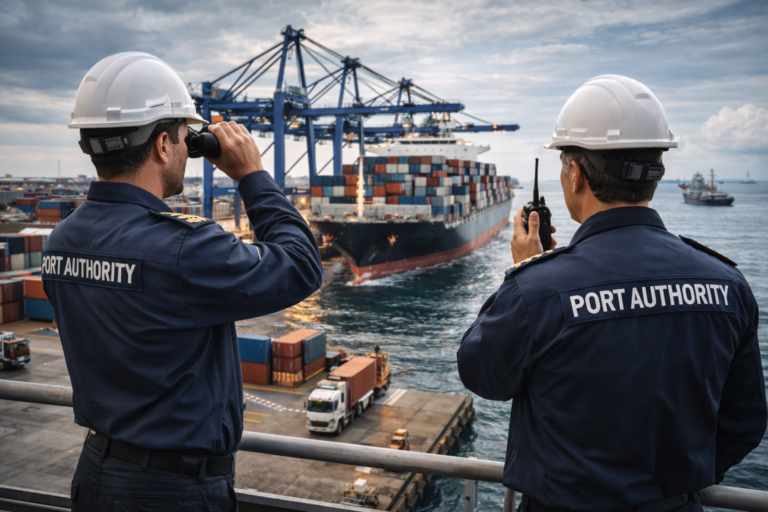
The maritime industry is the backbone of global trade, responsible for transporting the majority of the world’s goods across oceans and continents. While shipping plays a critical role in economic development and international commerce, it also has a significant environmental impact. Fuel emissions, ballast water discharge, oil spills, and marine waste are just some of the environmental challenges associated with maritime operations.
As awareness of environmental sustainability grows, the maritime sector has come under increasing scrutiny from international regulators, governments, and environmental organizations. Strict environmental regulations have been introduced to reduce pollution, protect marine ecosystems, and promote sustainable shipping practices.
Environmental compliance in the maritime industry is no longer optional. It has become a fundamental requirement for shipping companies, vessel operators, and marine service providers. Organizations must adopt responsible operational practices and adhere to international environmental standards to ensure that maritime activities do not harm the ocean environment.
This article explores the importance of environmental compliance in the maritime industry, the key environmental regulations governing shipping operations, and the strategies companies can adopt to maintain sustainable maritime practices.
Understanding Environmental Compliance in Maritime Operations
Environmental compliance refers to the process of adhering to regulations, standards, and guidelines designed to minimize the environmental impact of maritime activities.
Shipping companies must comply with international conventions and national regulations that govern various aspects of marine environmental protection. These rules aim to reduce pollution from ships, control emissions, prevent marine contamination, and ensure responsible waste management.
Environmental compliance involves implementing operational procedures that help protect marine ecosystems while maintaining efficient shipping operations.
These procedures include:
monitoring fuel emissions
managing ballast water responsibly
preventing oil spills
controlling waste disposal
reducing air pollution from vessels
By following these practices, maritime organizations contribute to global environmental protection efforts.
The Growing Importance of Sustainable Shipping
Environmental sustainability has become a major priority in the maritime industry. Governments, regulatory bodies, and international organizations are working together to reduce the environmental impact of shipping operations.
Shipping companies are expected to adopt environmentally responsible practices that align with global sustainability goals.
The importance of sustainable shipping can be seen in several areas:
Protection of Marine Ecosystems
Oceans are home to diverse ecosystems that support marine life and global biodiversity. Pollution from ships can harm these ecosystems, affecting fish populations, coral reefs, and coastal environments.
Environmental compliance ensures that shipping operations minimize damage to marine habitats.
Global Climate Responsibility
The maritime industry contributes to global greenhouse gas emissions. Reducing emissions is essential for combating climate change and meeting international climate targets.
Environmental regulations encourage shipping companies to adopt cleaner fuels and energy-efficient technologies.
Corporate Responsibility and Reputation
Companies that demonstrate strong environmental responsibility enhance their reputation within the industry and among customers.
Many cargo owners prefer to work with shipping partners that follow sustainable and environmentally responsible practices.
Key Environmental Regulations in the Maritime Industry
The maritime industry operates under several international conventions that regulate environmental practices. These regulations establish standards for pollution prevention, emissions control, and marine ecosystem protection.
Pollution Prevention Regulations
International maritime regulations require ships to implement systems that prevent pollution from oil, chemicals, sewage, and garbage.
Ships must maintain proper waste management procedures and ensure that pollutants are not discharged into the sea.
Crew members are trained to follow strict procedures for handling hazardous materials and preventing accidental releases.
Air Emission Control
Air pollution from ships is a significant environmental concern. Maritime regulations require vessels to control emissions produced by fuel combustion.
These regulations encourage the use of cleaner fuels and more efficient engine technologies.
Ships operating in designated emission control zones must follow stricter emission limits to reduce air pollution in sensitive regions.
Ballast Water Management
Ballast water is used by ships to maintain stability during voyages. However, ballast water can carry marine organisms from one region to another, potentially disrupting local ecosystems.
Ballast water management regulations require ships to treat ballast water before discharge to prevent the spread of invasive marine species.
This helps protect biodiversity and maintain ecological balance in coastal waters.
Waste Management
Ships generate different types of waste, including plastic, food waste, chemical residues, and operational waste materials.
Environmental compliance requires vessels to manage waste responsibly by storing, processing, and disposing of waste according to regulatory guidelines.
Improper waste disposal can lead to severe environmental damage and heavy penalties for shipping companies.
Environmental Risks Associated with Shipping
Despite strict regulations, maritime operations still pose environmental risks. These risks must be managed through proper compliance systems and operational controls.
Some of the major environmental risks include:
Oil Spills
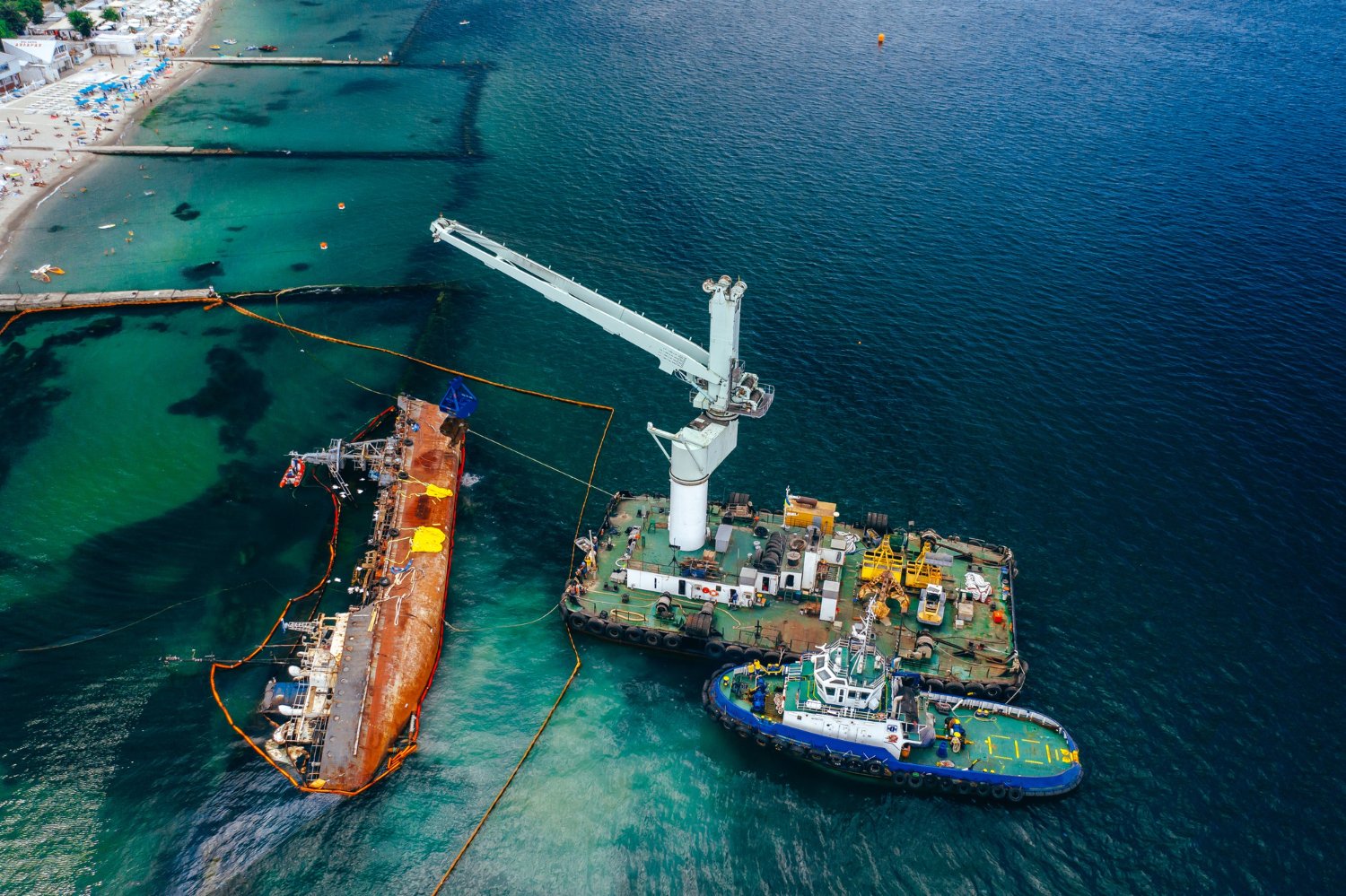
Oil spills are among the most damaging environmental incidents in maritime history. Even small spills can have long-lasting effects on marine life and coastal ecosystems.
Preventive maintenance, proper training, and emergency response systems help reduce the risk of oil spills.
Marine Pollution
Marine pollution can result from waste discharge, cargo residue, and accidental chemical releases.
Strict monitoring and waste management procedures are essential for preventing marine contamination.
Air Pollution
Ship engines produce emissions that contribute to air pollution and climate change.
Adopting cleaner fuels and energy-efficient technologies helps reduce emissions and environmental impact.
Environmental Compliance Strategies for Shipping Companies
To maintain environmental compliance, shipping companies must implement structured operational systems and monitoring programs.
Some of the most effective strategies include:
Crew Training and Awareness
Crew members must be trained in environmental regulations and pollution prevention procedures.
Regular training ensures that all crew members understand their responsibilities and follow proper operational practices.
Preventive Maintenance Programs
Well-maintained equipment reduces the risk of leaks, emissions, and operational failures that could lead to environmental incidents.
Preventive maintenance ensures that vessel systems operate efficiently and safely.
Environmental Monitoring Systems
Modern vessels use advanced monitoring systems to track fuel consumption, emissions levels, and waste management activities.
These systems help companies identify potential environmental risks and take corrective actions.
Documentation and Reporting
Accurate documentation is essential for environmental compliance. Ships must maintain records of waste disposal, ballast water management, fuel usage, and emission control measures.
These records are reviewed during regulatory inspections and audits.
The Role of Marine Service Providers
Marine service providers play an important role in helping shipping companies maintain environmental compliance.
These organizations provide specialized services such as:
environmental audits
compliance inspections
pollution prevention consulting
regulatory advisory services
environmental training programs
By working with experienced marine consultants, shipping companies can strengthen their environmental compliance systems and improve operational sustainability.
The Future of Green Shipping
The maritime industry is undergoing a major transformation as new technologies and environmental initiatives reshape shipping practices.
Several innovations are driving the transition toward greener shipping:
Alternative Fuels
Shipping companies are exploring alternative fuels such as liquefied natural gas (LNG), biofuels, and hydrogen to reduce emissions.
Energy-Efficient Vessel Design
Modern vessels are being designed with improved hull shapes, energy-efficient engines, and advanced propulsion systems to reduce fuel consumption.
Digital Monitoring Systems
Smart monitoring technologies allow shipping companies to track environmental performance in real time and optimize operational efficiency.
These innovations will play a crucial role in reducing the environmental impact of maritime transportation.
Conclusion
Environmental compliance has become a central priority for the maritime industry. As global trade continues to grow, shipping companies must balance operational efficiency with environmental responsibility.
By following international regulations, adopting sustainable operational practices, and investing in modern technologies, maritime organizations can significantly reduce their environmental impact.
Environmental compliance not only protects the world’s oceans but also strengthens the long-term sustainability of the shipping industry.