
The maritime industry plays a vital role in global trade, transporting approximately 90 percent of the world’s goods across oceans. With such a massive responsibility, ensuring that vessels operate safely, efficiently, and in compliance with international regulations is essential. One of the most important processes that supports these objectives is vessel inspection and survey.
Vessel inspections and surveys are systematic evaluations conducted to assess the condition, safety, and operational readiness of ships. These inspections verify that vessels meet regulatory requirements, maintain proper structural integrity, and operate with fully functional equipment and safety systems.
Shipping companies, vessel owners, port authorities, and regulatory agencies rely on these inspections to prevent accidents, ensure compliance, and maintain the reliability of maritime transportation systems.
In this article, we explore the importance of vessel inspections and surveys, the types of inspections conducted in the maritime industry, and how these processes contribute to safe and efficient shipping operations.
What Are Vessel Inspections and Surveys?
Vessel inspections and surveys refer to the process of examining a ship’s structure, machinery, equipment, and operational systems to ensure they meet required safety and regulatory standards.
These inspections are conducted by qualified marine surveyors or inspection authorities who evaluate various components of the vessel. The goal is to identify potential issues, verify compliance with international maritime regulations, and confirm that the vessel is fit for service.
Inspections can take place at different stages of a vessel’s operational life, including during construction, before voyages, during routine maintenance, and after incidents or repairs.
Through detailed assessments, vessel inspections help ensure that ships remain safe, reliable, and capable of performing their intended functions.
Why Vessel Inspections Are Important
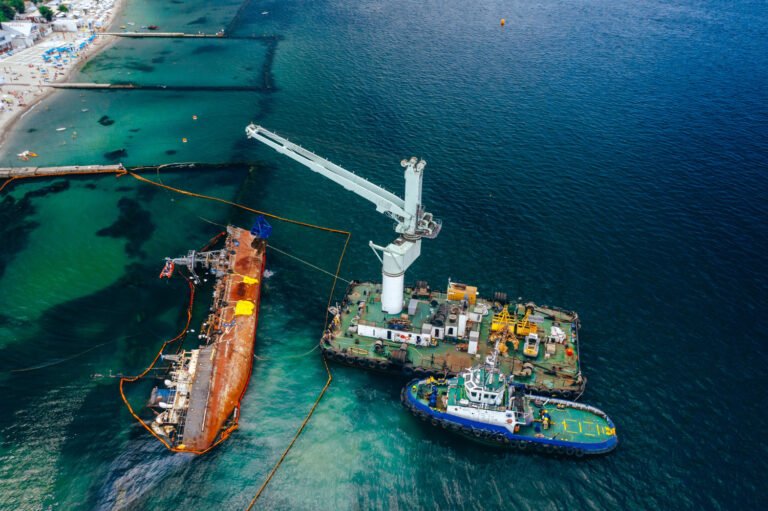
Vessel inspections are critical for several reasons. First and foremost, they ensure the safety of the crew, cargo, and marine environment. Ships operate in complex conditions where equipment failure or structural weaknesses can lead to severe accidents.
By identifying potential issues early, inspections help prevent incidents such as:
mechanical failures
structural damage
navigation system malfunctions
cargo handling accidents
environmental pollution incidents
In addition to improving safety, inspections ensure compliance with maritime regulations and international conventions.
Shipping companies that fail to maintain compliance may face penalties, vessel detentions, or operational restrictions imposed by maritime authorities.
Types of Vessel Inspections and Surveys
There are several types of vessel inspections conducted throughout a ship’s lifecycle. Each inspection serves a specific purpose and focuses on different aspects of vessel operations.
Pre-Purchase Surveys
Pre-purchase surveys are conducted when a ship is being sold or transferred to a new owner. These surveys evaluate the vessel’s condition, including its structural integrity, machinery performance, and operational systems.
The survey provides potential buyers with a detailed assessment of the vessel’s value and condition, helping them make informed purchasing decisions.
Condition Surveys
Condition surveys are comprehensive inspections conducted to determine the overall health of a vessel. These surveys examine various components such as the hull structure, propulsion systems, cargo areas, and onboard safety equipment.
The purpose of condition surveys is to ensure that the vessel remains fit for operation and that maintenance standards are being properly maintained.
Safety Equipment Inspections
Safety equipment inspections focus specifically on the systems designed to protect crew members and passengers in emergency situations.
Inspectors examine critical safety equipment such as:
lifeboats and life rafts
fire detection systems
firefighting equipment
emergency alarms
emergency lighting systems
Ensuring that safety equipment is functional and properly maintained is essential for protecting lives during maritime emergencies.
Structural Surveys
Structural surveys evaluate the physical condition of a vessel’s hull and structural components. Marine surveyors inspect areas such as the hull plating, decks, bulkheads, and cargo holds to detect corrosion, cracks, or structural damage.
These inspections help identify issues that could compromise the vessel’s stability or seaworthiness.
Structural surveys are particularly important for aging vessels or ships operating in harsh environments.
Machinery and Engine Surveys
The propulsion and mechanical systems of a vessel must operate reliably to ensure safe navigation.
Machinery surveys focus on evaluating the performance and condition of key components such as:
main engines
auxiliary engines
propulsion systems
fuel systems
electrical systems
Inspectors check for signs of wear, leakage, overheating, or mechanical failure.
Proper maintenance and timely repairs help prevent operational breakdowns during voyages.
Cargo Hold Inspections
Cargo hold inspections are conducted to ensure that cargo storage areas are clean, safe, and suitable for transporting specific types of goods.
Inspectors verify that cargo holds are free from contamination, structural damage, or moisture issues that could affect cargo quality.
These inspections are particularly important when transporting sensitive goods such as food products, chemicals, or industrial materials.
Regulatory Compliance Inspections
Regulatory inspections are conducted to verify that vessels comply with international maritime regulations.
Inspectors review documentation, operational procedures, and safety systems to confirm compliance with maritime standards.
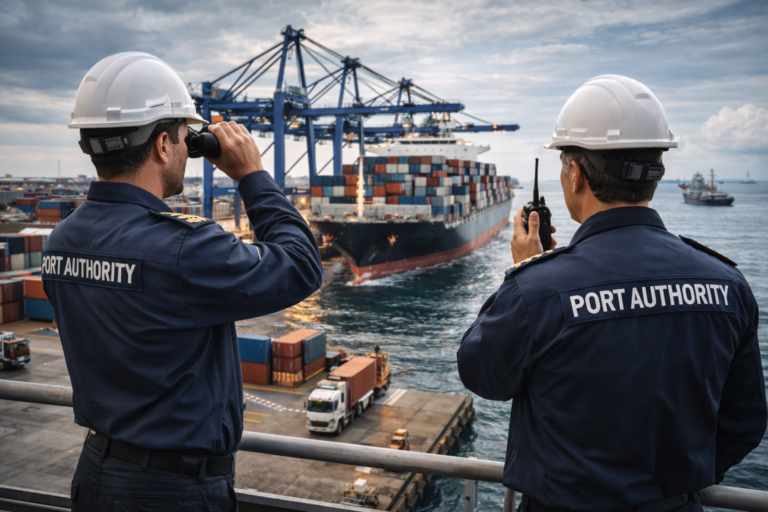
These inspections may be conducted by port authorities, flag state inspectors, or classification societies.
Ships that fail these inspections may face detention until deficiencies are corrected.
The Role of Marine Surveyors
Marine surveyors are highly trained professionals responsible for conducting vessel inspections and evaluations. They possess specialized knowledge of maritime engineering, safety standards, and international shipping regulations.
Surveyors perform detailed examinations of vessel systems and produce comprehensive reports outlining their findings.
These reports provide vessel owners and operators with valuable insights into maintenance requirements, operational risks, and regulatory compliance status.
Surveyors also recommend corrective actions when deficiencies are identified.
Benefits of Regular Vessel Inspections
Shipping companies that conduct regular vessel inspections gain several operational advantages.
Improved Safety
Routine inspections help identify hazards and equipment failures before they cause accidents. This significantly improves crew safety and operational reliability.
Regulatory Compliance
Regular inspections ensure that vessels remain compliant with international maritime regulations, reducing the risk of penalties or operational disruptions.
Reduced Maintenance Costs
Early detection of mechanical or structural issues allows companies to address problems before they become expensive repairs.
Increased Vessel Longevity
Well-maintained vessels have longer operational lifespans and maintain higher resale value.
Operational Efficiency
Ships that undergo regular inspections operate more efficiently because equipment is maintained properly and potential failures are minimized.
Preparing for Vessel Inspections
Shipping companies can improve inspection outcomes by maintaining organized operational systems and accurate documentation.
Preparation steps include:
maintaining up-to-date maintenance records
ensuring crew members understand safety procedures
conducting internal inspections before official surveys
verifying safety equipment functionality
maintaining accurate operational documentation
Proactive preparation helps vessels pass inspections smoothly and avoid unnecessary delays.
The Future of Vessel Inspections
Technology is transforming vessel inspection processes. Advanced tools such as drones, remote inspection devices, and digital monitoring systems allow inspectors to conduct more detailed assessments with greater efficiency.
These technologies enable inspectors to examine hard-to-reach areas of vessels without requiring extensive manual access.
Digital reporting systems also improve documentation accuracy and allow shipping companies to track maintenance activities more effectively.
As maritime technology continues to evolve, inspection processes will become even more efficient and data-driven.
Conclusion
Vessel inspections and surveys are essential components of safe and reliable maritime operations. By evaluating structural integrity, mechanical performance, safety equipment, and regulatory compliance, these inspections help ensure that ships operate safely and efficiently across global waters.
For shipping companies and vessel operators, regular inspections are not just regulatory requirements—they are strategic investments in safety, operational performance, and long-term asset management.