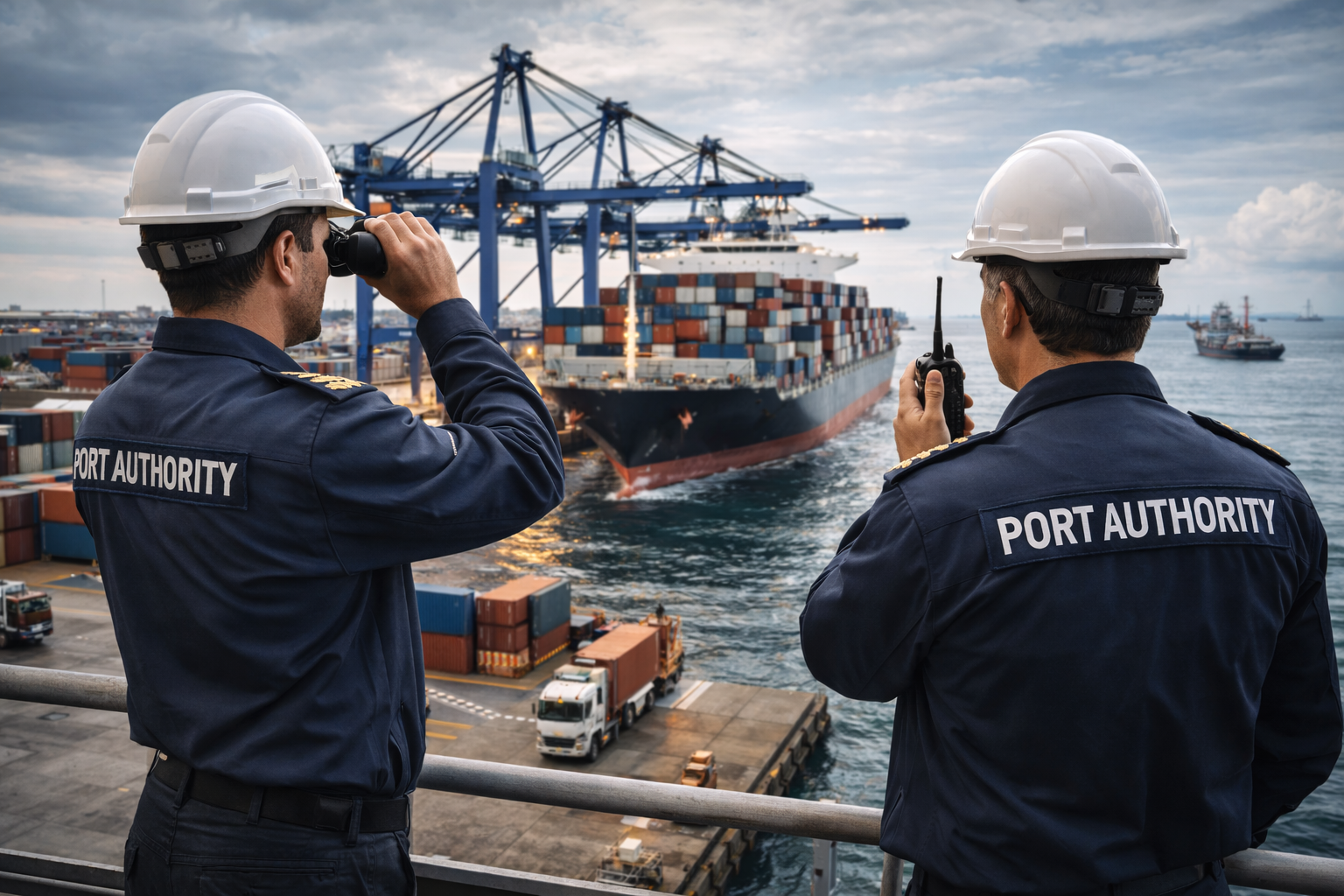
The maritime industry is one of the most complex and highly regulated sectors in the world. Ships operate across international waters, interact with multiple regulatory bodies, and transport valuable cargo that is vital to global trade. While vessels are equipped with advanced technology and navigation systems, the most critical factor in maritime safety remains the competence of the crew operating the vessel.
Well-trained maritime professionals are essential for ensuring safe vessel operations, maintaining regulatory compliance, protecting the marine environment, and responding effectively to emergencies. Crew members must possess not only technical knowledge but also a strong understanding of international maritime laws, operational procedures, and safety protocols.
In today’s global shipping environment, continuous crew training has become a necessity rather than an option. Shipping companies, marine operators, and offshore organizations rely on structured training programs to prepare their personnel for the operational, technical, and regulatory challenges they face at sea.
This article explores the importance of crew training in the maritime industry, the regulatory framework governing maritime training, and how effective training programs help reduce risks, enhance operational performance, and maintain compliance with international maritime standards.
Why Crew Training Is Critical in the Maritime Industry
The maritime environment presents unique operational risks. Ships operate in remote locations where immediate external assistance may not always be available. This makes the competence and preparedness of the crew absolutely essential.
Proper crew training ensures that maritime personnel are capable of handling routine operations, managing emergencies, and maintaining compliance with maritime regulations.
Key benefits of crew training include:
Improved Safety Standards
Training equips crew members with the knowledge required to handle hazardous situations such as fires, machinery failures, collisions, and extreme weather conditions. When crew members understand safety procedures and emergency protocols, the likelihood of accidents is significantly reduced.
Regulatory Compliance
International maritime authorities require vessels to comply with strict safety and operational standards. Crew training ensures that all personnel are aware of these requirements and follow established procedures during vessel operations.
Operational Efficiency
A well-trained crew performs tasks more efficiently, reducing operational delays and minimizing errors. This leads to improved vessel performance and smoother maritime operations.
Environmental Protection
Marine personnel must understand how to manage waste, handle hazardous materials, and prevent pollution. Environmental training helps crews comply with international environmental regulations and protect marine ecosystems.
International Regulations Governing Maritime Training
The maritime industry follows strict training standards established by international organizations to ensure consistent safety and operational procedures worldwide.
STCW Convention
The Standards of Training, Certification and Watchkeeping (STCW) Convention is one of the most important international regulations governing maritime training.
The STCW Convention sets minimum training, certification, and watchkeeping standards for seafarers globally. It ensures that crew members possess the necessary qualifications and competencies to operate vessels safely.
Key aspects of STCW training include:
Basic safety training
Personal survival techniques
Fire prevention and firefighting
First aid and medical care
Personal safety and social responsibilities
International Maritime Organization (IMO)
The International Maritime Organization (IMO) plays a central role in regulating maritime safety, security, and environmental protection. IMO guidelines influence crew training programs and ensure that seafarers are properly trained to meet international maritime standards.
International Safety Management (ISM) Code
The ISM Code requires shipping companies to implement safety management systems that include training procedures for crew members. This ensures that every crew member understands their responsibilities and follows safety protocols while operating the vessel.
Core Areas of Maritime Crew Training
Maritime crew training covers multiple operational and technical areas to prepare crew members for various responsibilities onboard vessels.
Safety and Emergency Response Training
Safety training is one of the most critical components of maritime education. Crew members must be prepared to respond quickly and effectively during emergencies.
Training includes:
Fire detection and firefighting procedures
Emergency evacuation protocols
Lifeboat and survival craft operations
Oil spill response procedures
Man-overboard rescue techniques
These skills are essential for protecting both crew members and the vessel during critical situations.
Navigation and Bridge Operations
Navigation officers must understand how to operate navigation equipment and maintain safe vessel routes.
Training typically covers:
Radar and electronic navigation systems
Chart plotting and voyage planning
Collision avoidance procedures
Bridge resource management
These skills help ensure safe vessel navigation and reduce the risk of maritime accidents.
Engineering and Technical Training
Marine engineers are responsible for maintaining the vessel’s machinery and technical systems. Proper training helps engineers identify potential mechanical issues before they lead to operational failures.
Training topics include:
Engine operation and maintenance
Electrical systems management
Fuel system monitoring
Machinery safety procedures
Technical training ensures the vessel’s mechanical systems operate efficiently and reliably.
Environmental Compliance Training
Environmental protection has become a major priority in the maritime industry. Crew members must be trained to follow environmental regulations that prevent pollution and protect marine ecosystems.
Environmental training focuses on:
Ballast water management
Waste disposal procedures
Oil spill prevention
Emission control standards
Compliance with these environmental standards helps shipping companies avoid regulatory penalties while protecting the oceans.
The Role of Simulation-Based Training
Modern maritime training increasingly relies on simulation technology to provide realistic learning experiences.
Simulation-based training allows crew members to practice complex operations in a controlled environment without risking actual vessel safety.
Examples of simulation training include:
Bridge navigation simulators
Engine room simulators
Emergency response simulations
Cargo handling simulations
These tools help crew members develop practical skills and confidence before performing these tasks onboard real vessels.
Continuous Professional Development for Seafarers
The maritime industry evolves continuously with new regulations, technologies, and operational practices. As a result, crew training must be ongoing.
Continuous professional development programs help seafarers update their knowledge and maintain their certifications.
These programs often include:
Refresher safety courses
Advanced technical training
Leadership and management training
Regulatory compliance updates
Regular training ensures that maritime professionals remain competent and prepared for modern maritime challenges.
Benefits of Professional Crew Training Programs
Investing in structured crew training programs provides significant benefits for maritime companies and vessel operators.
Reduced Operational Risks
Trained personnel are better prepared to handle emergencies and prevent accidents, reducing overall operational risks.
Improved Vessel Performance
Crew members who understand operational procedures can perform their duties more efficiently, improving vessel productivity.
Regulatory Compliance Assurance
Training ensures that vessels meet international maritime regulations and pass regulatory inspections.
Enhanced Reputation
Shipping companies that prioritize training demonstrate professionalism and commitment to safety, strengthening their reputation within the maritime industry.
The Future of Maritime Crew Training
As maritime technology advances, crew training will continue to evolve. Emerging technologies such as artificial intelligence, automation, and digital navigation systems are changing how vessels operate.
Future training programs will increasingly include:
Digital navigation systems
Cybersecurity awareness for vessels
Automated machinery management
Advanced environmental monitoring technologies
Maritime organizations must adapt their training programs to prepare crew members for these technological advancements.
Conclusion
Crew training plays a fundamental role in ensuring safe, efficient, and compliant maritime operations. Skilled and knowledgeable crew members are the backbone of the global shipping industry, responsible for operating vessels, protecting cargo, and safeguarding marine environments.
By investing in comprehensive training programs, maritime companies can reduce operational risks, meet regulatory requirements, and maintain high safety standards across their fleets.