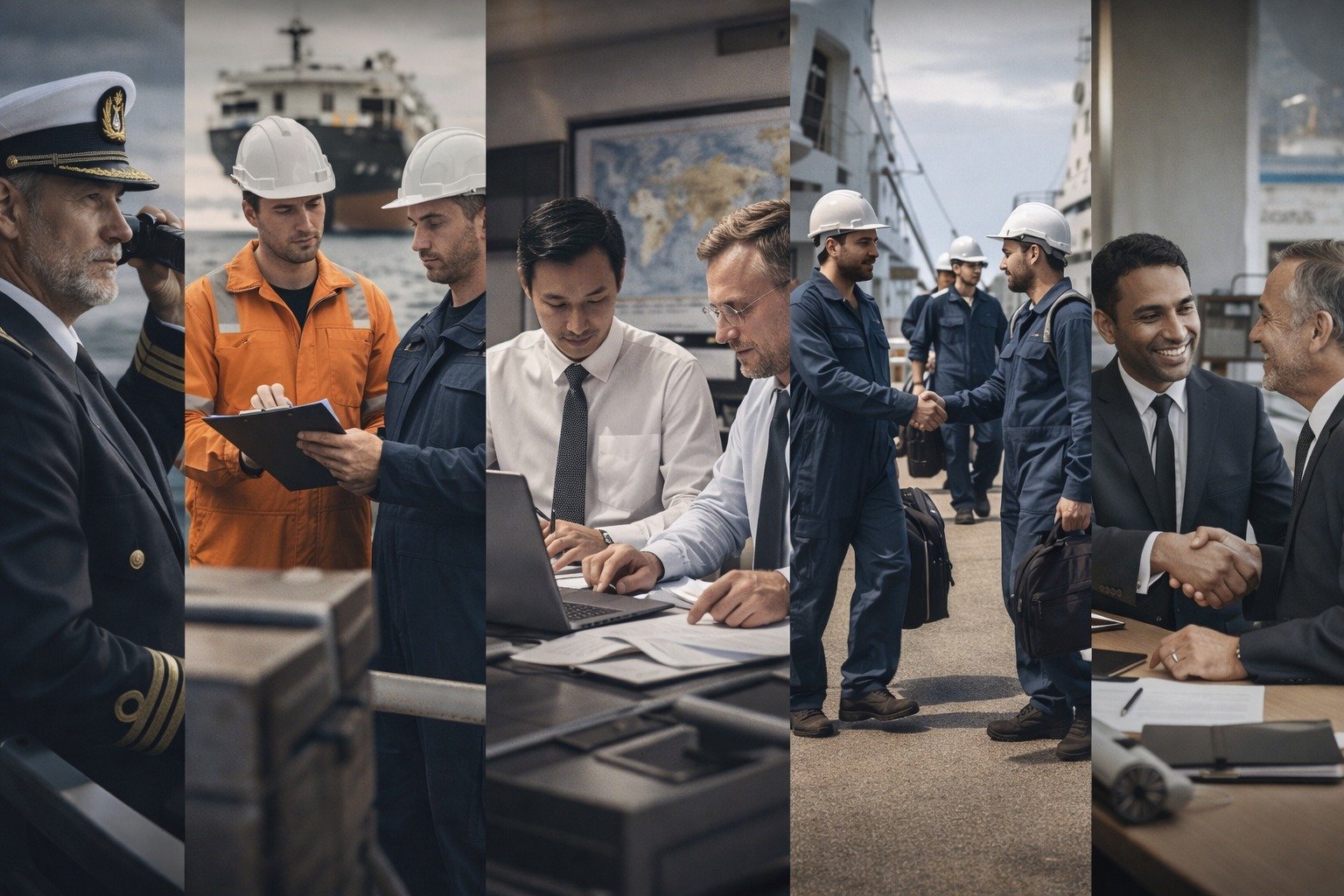
The maritime industry operates in one of the most challenging and high-risk environments in the world. Ships travel across vast oceans, navigate unpredictable weather conditions, transport valuable cargo, and interact with multiple international regulatory systems. In such a complex operational environment, the competence and preparedness of the crew become the most critical factor in ensuring safe and efficient maritime operations.
Crew training and compliance are fundamental pillars of modern shipping. While advanced vessel technology, navigation systems, and safety equipment play important roles, the effectiveness of these systems ultimately depends on the knowledge, skills, and discipline of the crew operating them.
Well-trained crew members are capable of handling emergencies, maintaining operational efficiency, complying with regulatory standards, and protecting both the vessel and the marine environment. As global maritime regulations continue to evolve, shipping companies must invest in structured training programs and strict compliance systems to ensure their crew members meet international safety and operational standards.
This article explores the importance of crew training and compliance in maritime operations and explains how proper training programs contribute to safer, more reliable, and more efficient shipping practices.
Understanding Crew Training in the Maritime Industry
Crew training refers to the systematic process of equipping seafarers with the knowledge, technical skills, and operational understanding required to perform their duties safely and efficiently. Maritime training programs cover a wide range of areas, including navigation, machinery operation, cargo handling, emergency response, environmental protection, and safety procedures.
Unlike many other industries, maritime operations involve long voyages, isolated working environments, and exposure to hazardous conditions. This makes continuous training essential for ensuring that crew members remain prepared for operational challenges.
Effective crew training programs focus on both theoretical knowledge and practical experience. Through simulations, onboard drills, classroom instruction, and specialized certification courses, seafarers develop the competencies needed to manage complex maritime operations.
The Role of Compliance in Maritime Operations
Compliance in the maritime industry refers to adherence to international maritime regulations, national laws, and operational standards established to ensure safety and environmental protection.
Shipping companies must comply with a wide range of regulatory frameworks covering areas such as vessel safety, crew welfare, pollution prevention, cargo handling, and emergency preparedness.
Crew members play a direct role in maintaining compliance. They are responsible for following operational procedures, maintaining accurate records, performing safety checks, and implementing regulatory guidelines during daily vessel operations.
Without proper training and awareness, crew members may unintentionally violate regulations, which can result in penalties, vessel detentions, or operational disruptions. Therefore, training programs must emphasize regulatory understanding and operational discipline.
Importance of Crew Training for Maritime Safety
Safety is the highest priority in maritime operations. Ships carry large quantities of fuel, heavy cargo, and complex machinery, which means that even minor operational mistakes can lead to serious accidents.
Proper training ensures that crew members understand safety procedures and can respond effectively in high-pressure situations.
Key areas of safety training include:
Emergency evacuation procedures
Fire prevention and firefighting techniques
Life-saving equipment operation
Collision avoidance
Hazard identification and risk management
Through regular drills and safety exercises, crew members develop the confidence and coordination required to respond quickly and effectively to emergencies.
Enhancing Operational Efficiency
In addition to improving safety, crew training also contributes to operational efficiency. A well-trained crew understands vessel systems, operational procedures, and communication protocols, which allows them to perform tasks more effectively.
Efficient crew members can:
operate machinery correctly
monitor vessel systems accurately
maintain equipment properly
coordinate cargo operations smoothly
reduce operational delays
When crew members perform their duties efficiently, shipping companies benefit from improved productivity and reduced operational costs.
Regulatory Training Requirements
The maritime industry is governed by several international conventions and regulatory frameworks that establish standards for crew training and certification.
These regulations define the minimum qualifications required for seafarers, including training programs, competency assessments, and certification requirements.
Crew members must undergo mandatory training before joining vessels and must periodically update their certifications to remain compliant with evolving regulations.
Training requirements typically include:
navigation and bridge operations
engine room management
cargo handling procedures
safety and survival training
environmental protection practices
By maintaining up-to-date training records and certification systems, shipping companies ensure that their crews meet regulatory expectations.
Emergency Preparedness and Crisis Management
Maritime emergencies can arise unexpectedly. Situations such as fires, equipment failures, collisions, or severe weather conditions require immediate and coordinated responses.
Crew training programs prepare seafarers to manage these situations effectively. Through realistic drills and scenario-based training exercises, crew members learn how to:
identify emergency situations quickly
communicate with fellow crew members and vessel officers
operate emergency equipment
implement evacuation procedures
protect passengers and cargo
Prepared crews are able to respond calmly and effectively, minimizing damage and protecting lives.
Environmental Responsibility and Compliance
Environmental protection is an increasingly important aspect of maritime operations. Ships must comply with strict environmental regulations designed to prevent marine pollution and protect ocean ecosystems.
Crew training programs include education on environmental responsibilities such as:
proper waste management
fuel handling procedures
pollution prevention measures
ballast water management
emission reduction practices
When crew members understand these responsibilities, they contribute to environmentally responsible maritime operations.
Continuous Professional Development
The maritime industry continues to evolve with new technologies, updated regulations, and changing operational practices. To remain effective, crew members must participate in continuous professional development.
Ongoing training programs allow seafarers to update their knowledge, learn new operational techniques, and adapt to modern vessel technologies.
Continuous development also helps crew members advance their careers by obtaining higher certifications and expanding their professional skills.
For shipping companies, investing in crew development strengthens operational performance and builds a skilled maritime workforce.
Building a Culture of Compliance and Accountability
Successful maritime organizations go beyond basic regulatory compliance. They create a culture of safety, professionalism, and accountability where crew members take responsibility for maintaining high operational standards.
Training programs play an important role in building this culture. By emphasizing discipline, teamwork, and regulatory awareness, companies encourage crew members to prioritize safety and compliance in all aspects of their work.
Such cultures reduce operational risks and improve the overall reputation of maritime organizations.
Benefits of Strong Crew Training Programs
Organizations that invest in structured training and compliance systems experience several important benefits.
These include:
improved vessel safety
reduced accident risks
stronger regulatory compliance
higher operational efficiency
better crew morale and professionalism
improved reputation within the maritime industry
Well-trained crews also contribute to smoother inspections and fewer operational disruptions.
The Future of Maritime Training
Advances in technology are transforming the way maritime training is delivered. Simulation technology, virtual reality training programs, and digital learning platforms allow seafarers to practice complex scenarios in controlled environments.
These technologies help crews develop practical skills without exposing vessels or cargo to unnecessary risks.
As maritime operations become more technologically advanced, training programs will continue to evolve to meet new operational demands.
Conclusion
Crew training and compliance are essential foundations of safe and efficient maritime operations. While ships and technology form the infrastructure of the shipping industry, it is the competence and professionalism of the crew that determine operational success.
Through structured training programs, continuous learning opportunities, and strong compliance systems, maritime organizations can ensure that their crews are prepared to manage operational challenges and maintain the highest standards of safety.