The global maritime industry is one of the most heavily regulated sectors in the world. Ships operate across international waters, interact with multiple regulatory jurisdictions, and carry valuable cargo that supports global trade. In such a complex operational environment, maintaining safety, compliance, and operational reliability is critical. This is where marine certification and audits play a vital role.
Marine certification and audit processes ensure that vessels, operators, and maritime organizations comply with international maritime standards, safety regulations, and environmental requirements. These processes not only help maintain regulatory compliance but also strengthen operational efficiency and stakeholder confidence.
According to global maritime certification programs, independent verification and inspections help ensure vessels meet strict standards of safety, quality, and environmental responsibility.
This article explores why marine certification and audits are essential for shipping companies, vessel operators, and marine logistics organizations.
Understanding Marine Certification
Marine certification is a formal process through which ships, maritime companies, and operational systems are evaluated against recognized standards. These standards may include safety regulations, environmental protection guidelines, operational procedures, and vessel maintenance requirements.
Certification is typically conducted by accredited inspection bodies or classification societies that assess the vessel’s condition, safety systems, and operational practices.
Once the vessel or organization meets the required standards, it receives certification confirming its compliance.
The Role of Marine Audits
Marine audits are structured evaluations that review operational procedures, safety systems, documentation, and regulatory compliance.
These audits are conducted periodically to ensure that vessels and maritime organizations continue to meet required standards.
Marine audits typically examine:
Safety management systems
Crew competency and training
Environmental compliance
Operational procedures
Documentation accuracy
Risk management protocols
Through these assessments, auditors identify potential weaknesses and recommend corrective actions to strengthen compliance and operational performance.
Enhancing Maritime Safety
Safety is the foundation of maritime operations. Ships operate in challenging environments where equipment failure, human error, or regulatory violations can result in serious accidents.
Marine certification and audits play a critical role in preventing such incidents.
Through systematic inspections and operational reviews, auditors verify that safety systems are functioning correctly and that crew members follow established procedures.
Regular audits also help identify risks before they escalate into serious incidents.
Strengthening Regulatory Compliance
International maritime regulations are constantly evolving. Shipping companies must comply with rules related to safety, environmental protection, cargo handling, and crew welfare.
Failure to comply with these regulations can result in fines, vessel detentions, or operational restrictions.
Marine certification and audit processes help companies maintain compliance by:
Reviewing documentation
Monitoring regulatory updates
Verifying operational procedures
Assessing vessel conditions
By maintaining a structured compliance system, companies reduce the risk of regulatory violations.
Environmental Responsibility in Shipping
Environmental protection has become a major priority for the maritime industry.
Marine certification programs increasingly evaluate environmental performance, including:
Pollution prevention
Waste management
Fuel emissions
Ballast water management
Organizations that maintain strong environmental compliance demonstrate responsible maritime practices and contribute to the long-term sustainability of global shipping.
Improving Operational Efficiency
Marine audits not only focus on compliance but also help improve operational efficiency.
By reviewing operational procedures and maintenance systems, auditors identify opportunities to improve productivity and reduce operational risks.
Examples include:
Optimizing maintenance schedules
Improving documentation systems
Strengthening communication protocols
Enhancing operational planning
These improvements help shipping companies reduce downtime and improve overall performance.
Building Industry Reputation
Shipping companies that maintain recognized marine certifications demonstrate professionalism and reliability.
Certification signals that the organization follows internationally recognized standards for safety, environmental responsibility, and operational management.
This enhances credibility with:
Cargo owners
port authorities
regulatory agencies
insurance providers
charterers
As a result, certified companies often gain greater business opportunities.
Preparing for Port State Inspections
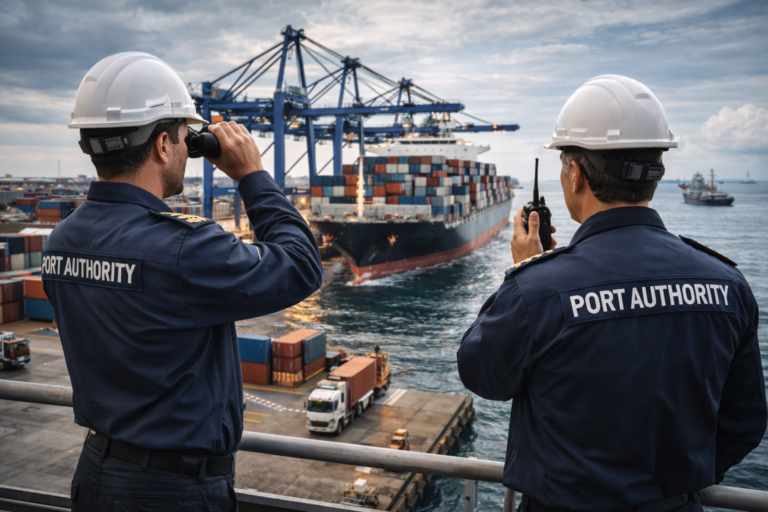
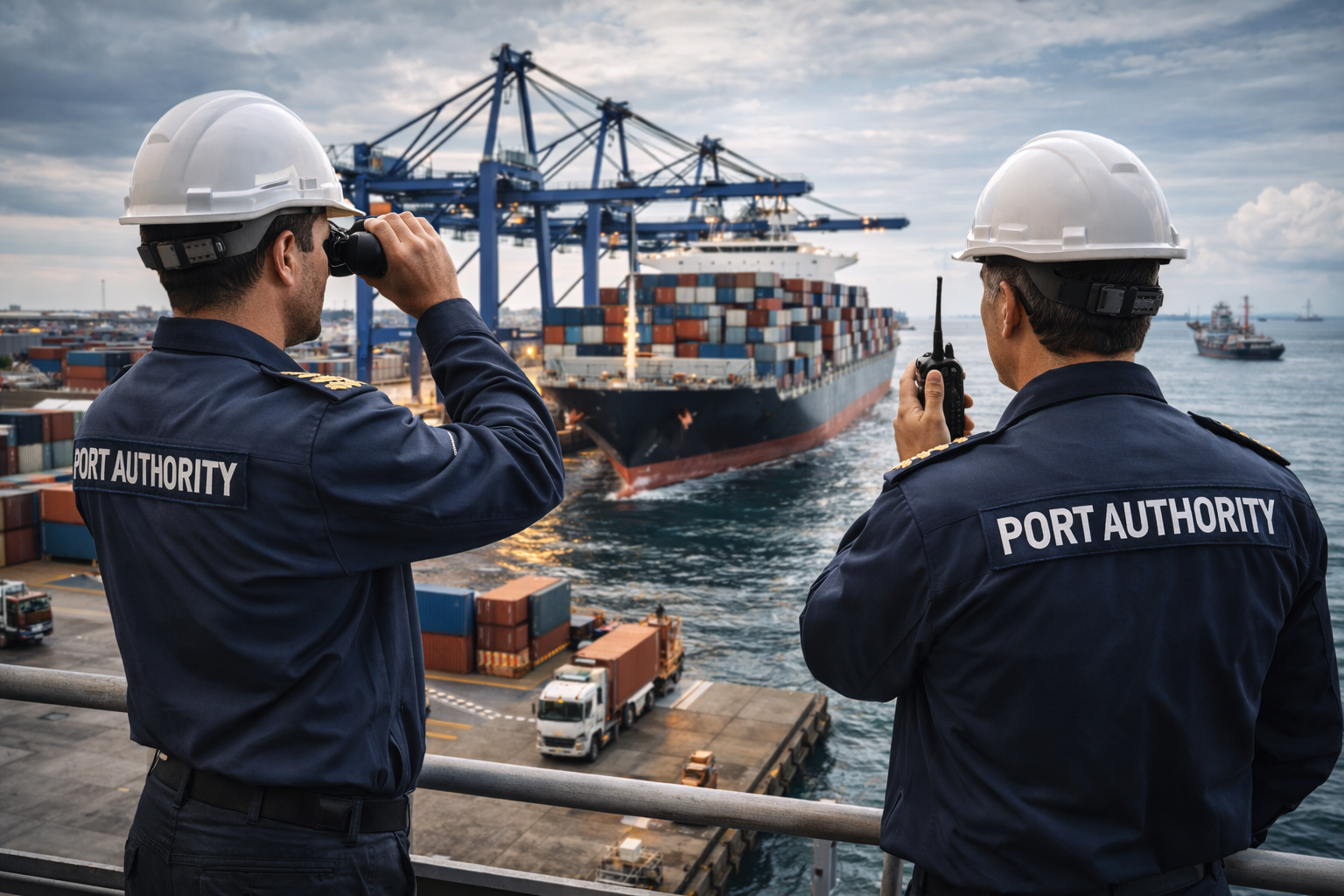
Port State Control inspections are conducted by maritime authorities to verify compliance with international regulations.
Ships that fail inspections may face detention or operational restrictions.
Marine certification and regular audits help vessels remain prepared for such inspections by ensuring:
Documentation accuracy
Equipment readiness
regulatory compliance
operational discipline
This significantly reduces the risk of inspection failures.
Conclusion
Marine certification and audits are essential tools for ensuring safe, compliant, and efficient maritime operations.
By maintaining structured certification and audit programs, maritime organizations can:
improve safety
maintain regulatory compliance
protect the environment
enhance operational efficiency
strengthen industry reputation